ADVICE ON PATIENTS WITH REFERENCE FOR ULTRASOUND
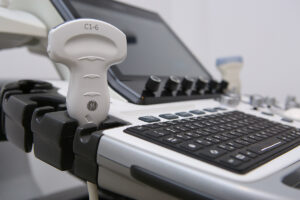
Ultrasound examination plays perhaps the most important role in primary care of patients, because: 1. It has no radiation or other harmful to the health of the examined side effects 2. It is simple to

It is a non-invasive technique that measures the elasticity of tissues that is directly related to their histological composition and thus allows us to distinguish a tissue whether it is soft and potentially benign or hard and potentially malignant.
There are two types of elastography:
In strain elastography, a color image of hardness is obtained after pressures with the transducer over the damage. This method is dependent on the one who performs it and requires special training and experience and does not give a measurable result.
In shear wave elastography, the shear wave is detected by the machine when it is penetrated by conventional ultrasound waves.
Shear wave elastography is a new imaging method that quantifies the stiffness of tissues.
In this method we have a color image and other measurements of elasticity of the tissues being examined. This method is less dependent on the doctor performing it and therefore more repetitive.
Elastography is widely used today to diagnose lesions in the breast, prostate, thyroid and lymph nodes.
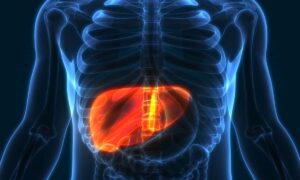
Shear wave elastography is very useful in the study of diffuse liver lesions such as hepatitis, cirrhosis as well as in fatty infiltration of the liver.
Interstitial elastography is the best studied elastography technique for assessing hepatic fibrosis in non-alcoholic fatty liver disease (NAFLD). This is a test that accurately distinguishes patients without fibrosis data from those with advanced fibrosis / cirrhosis in the population of patients with hepatic fat infiltration.
However, the test has limitations: It gives false positive results in acute hepatitis, extrahepatic cholestasis, congestive heart failure, hepatic amyloidosis and in recent food intake.

Ultrasound examination plays perhaps the most important role in primary care of patients, because: 1. It has no radiation or other harmful to the health of the examined side effects 2. It is simple to

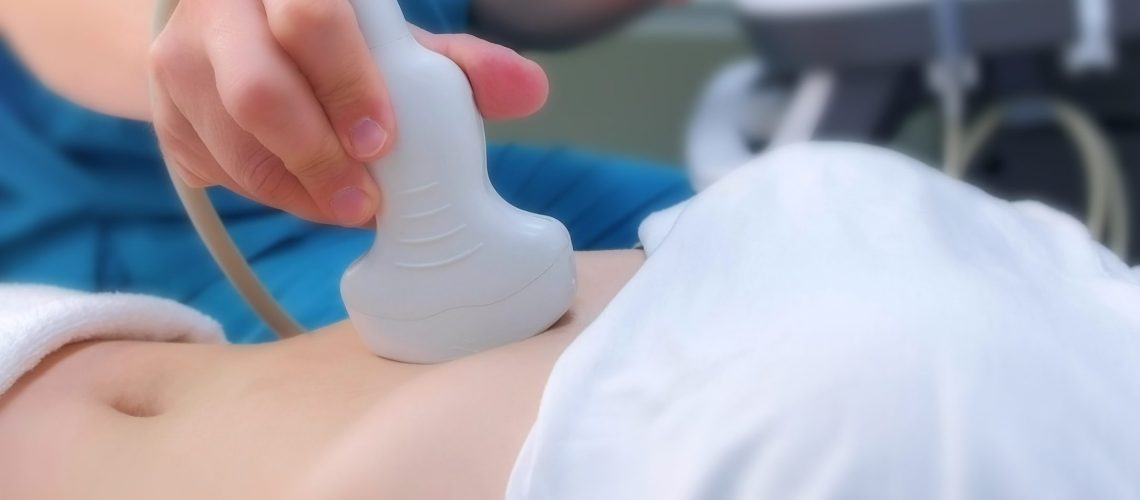
The most common pathological finding on abdominal ultrasounds is fatty degeneration of the liver. Although some percentage can be attributed to overdiagnosis due to machine or inexperience of the doctor, the percentage diagnosed with this

It is a non-invasive technique that measures the elasticity of tissues that is directly related to their histological composition and thus allows us to distinguish a tissue whether it is soft and potentially benign or